
Instead of saying “I am angry,” learn to notice: “I observe tension in my body.” That shift can create space to respond rather than react. Free general wellbeing education — not personalised medical or counselling advice.
Explore Breathing PracticesEvery person carries a personal stress threshold — a range where they remain clear-headed and functional. When pressure builds beyond that window, the body may shift toward agitation or withdrawal. Published research in psychophysiology often discusses how slow, deliberate breathing relates to the vagus nerve and autonomic balance. That makes breath one accessible tool for noticing — and gently exploring — your internal state before it escalates. Individual experiences vary; this is general education only.
About this website: Dynamwhankle.ddd is a Queensland-based wellbeing education resource at Nunkeri Ct, Forest Glen. We publish free articles and optional community sessions — not medical, psychological, or counselling services. Who we are and what we offer · Contact & pricing
Think of breathing as a feedback loop for general self-awareness. When you inhale through the nose and extend the exhale, heart rate variability may shift in some people. That is one reason breath pauses are widely discussed in wellbeing education — not as a medical intervention.
The concept is simple yet powerful. Your breath connects the voluntary and involuntary parts of your nervous system. You cannot directly command your heart to slow down, but you can lengthen an exhale to four or six counts and watch the ripple effect. Over time, this builds a habit of checking in rather than pushing through.
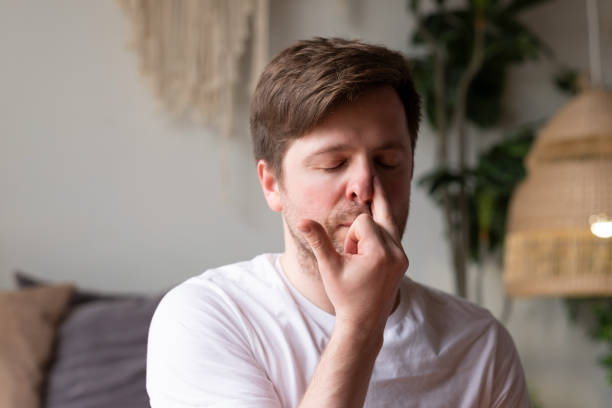
A steady nasal exhale is one of the simplest ways to observe your current nervous system state.
Education around inner observation emphasises one core ability: becoming a witness who records facts instead of attaching labels. When irritation rises, the witness says, “Tightness in my shoulders, heat in my face, thoughts speeding up.” No story. No verdict. Just data from the present moment.
Scan from head to toe and name physical signals: clenched fists, shallow chest breathing, a hollow feeling in the gut. Sensory language keeps you grounded in what is actually happening rather than what you fear might happen.
Keep a brief log after stressful moments. Write what you noticed before, during, and after a breathing pause. Patterns emerge quickly — perhaps you always tighten your jaw before a meeting, or your breath becomes noisy when you feel rushed.
Saying “I notice frustration” instead of “I am frustrated” may create psychological distance. Published mindfulness research suggests that describing sensations in neutral language can support clearer thinking during stressful moments. Individual experiences differ.
“The witness does not fix, fight, or flee. It watches the weather of the body and mind pass through, knowing that no single state lasts forever.”
Everyone has a bandwidth of pressure within which they can still listen, decide, and act with intention. Cross the upper edge and you may notice racing thoughts, irritability, or a surge of energy. Drop below the lower edge and motivation may fade, focus blur, and energy feel low — sometimes described as a freeze-like response. These are everyday stress patterns, not medical diagnoses.
Breath work widens this window gradually. A guided practice might include box breathing (inhale four, hold four, exhale four, hold four) when you notice upper-edge signals, and gentle belly breathing with a slight hum on exhale when lower-edge signals appear. The goal is not to eliminate stress but to recognise it early enough to stay functional.
Peer-reviewed studies continue to explore how respiration patterns interact with emotional processing. While no single technique suits every person, several findings offer practical direction for daily observation work.
Researchers compared rapid, slow, and cyclical breathing patterns. Cyclical slow breathing produced the most consistent reports of increased positive affect among participants who tracked sensations during each round.
A meta-analysis noted that breath-focused practices may support interoceptive accuracy — the ability to sense internal body states — in some research settings. Results vary; this is general education, not a promised outcome.
Australian corporate wellness programmes that included two-minute breath check-ins at the start of meetings reported fewer escalated conflicts, attributed partly to employees naming body signals before discussing agenda items.
These exercises require no equipment and fit into ordinary routines across Queensland and beyond. Each takes between two and ten minutes. Consistency matters more than intensity.
Breath observation is a general wellbeing practice. These guidelines help you stay within safe, comfortable boundaries while exploring inner state work.
If extended breath holds or rapid breathing cause light-headedness, return to normal breathing immediately. Never force air retention beyond comfort.
If you experience persistent distress or difficulty functioning, contact a qualified health professional. This site shares general education only and does not replace professional care.
People with respiratory conditions, cardiovascular concerns, or pregnancy should consult their GP before trying breath-retention techniques or intense paced breathing.
Practise while seated or standing safely — not while driving, swimming, or operating machinery. Choose a quiet space where you can pause without interruption.
Join our community sessions across the Sunshine Coast region. All events focus on observation skills and breath awareness — no prior experience required.
| Date | Event | Location | Details |
|---|---|---|---|
| 12 Jul 2026 | Morning Witness Circle | Forest Glen Community Hall | 45-min guided observation and nasal breathing basics. Register via contact form |
| 26 Jul 2026 | Stress Window Workshop | Maroochydore Library Room B | Learn to map your upper and lower stress edges with breath tracking sheets. |
| 9 Aug 2026 | Breath & Body Scan Workshop | Nunkeri Ct Studio, Forest Glen | Small group session — maximum eight participants. Bring a notebook. |
| 23 Aug 2026 | Evening Reset Session | Online via video link | 30-minute wind-down routine for busy professionals. Link sent after registration. |
Common questions from visitors exploring breath-based inner state observation for the first time.
We believe you should know when technology shapes what you see or read online. This summary reflects our obligations under the Privacy Act 1988 (Cth) and 2026 expectations for algorithmic transparency in Australia.
Educational text may be drafted with generative AI assistance and reviewed by our team. Content is general lifestyle information only.
Images on this site are real photographs — not AI-generated interior scenes or synthetic product mock-ups presented as real photos.
We do not use AI chatbots to deliver personalised wellbeing consultations through this website.
Personal information is handled under the Australian Privacy Principles. Access, correction, and OAIC complaints apply.